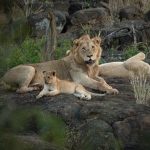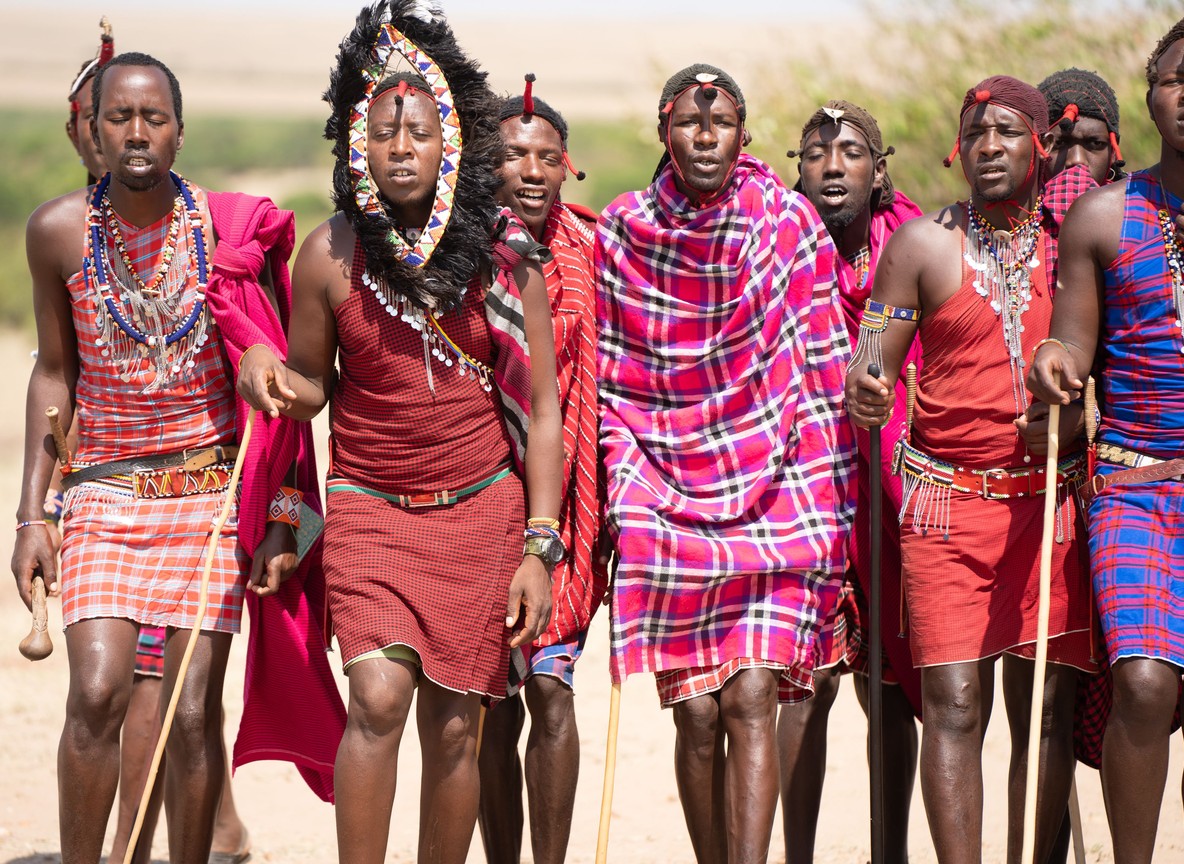
A conservancy fee on a Kenya safari bill looks like a single line item. It is not. Behind that charge sits a system of land leases, nightly conservation fees, and community trust payments. Most travelers never see it explained. Touring Insights breaks down where that money actually goes, using real conservancies and real acreages. It uses clearly labelled indicative figures where exact rates are not public. Understanding the flow helps you judge camps and conservancies. It shows which ones put your money closest to the people who own the land.
The Two Payments That Fund a Conservancy
Every community conservancy in Kenya runs on two separate revenue streams. The first is a land lease payment. Camps and lodges operating inside the conservancy pay a management company. The company then pays individual Maasai, or other pastoralist, landowners for the right to use their land. In exchange, landowners commit that land to tourism and wildlife conservation instead of full-time grazing or farming. The second stream is a conservation fee, sometimes called a bed-night fee. Camps charge it per guest per night on top of the accommodation rate. That fee funds rangers, roads, and conservancy operations rather than going to individual landowners. Both streams matter, and confusing them is the most common mistake in how travelers talk about conservancy money.
How Land Lease Payments Are Calculated
Landowners in a Mara conservancy sign multi-year leases, typically 10 to 15 years, that commit their plots to wildlife use. In exchange, they receive a monthly per-acre payment from the conservancy’s tourism revenue. Rates vary by conservancy and negotiated terms, so treat any figure as an indicative range rather than a fixed price. Publicly reported ranges put many Mara conservancy leases at an indicative USD 5 to 10 per acre per month. That means a family with roughly 100 to 150 acres can receive an indicative USD 500 to 1,500 monthly. The payment arrives whether or not a single tourist visits that particular parcel that month. This steady income is the core appeal for pastoralist families weighing conservancy membership against fencing land for farming.
Conservancy Snapshot: Size, Households, and Fee Model
The table below uses verified conservancy sizes alongside indicative figures for anything not independently confirmed. Always confirm current rates directly with a conservancy or camp before budgeting.
| Conservancy | Size | Landowning Households (indicative) | Revenue Model |
|---|---|---|---|
| Mara Naboisho Conservancy | approx. 50,000 acres (approx. 145 km2) | approx. 500-600 families | Land lease plus nightly conservation fee |
| Ol Kinyei Conservancy | approx. 18,500 acres | approx. 200-250 families | Land lease plus nightly conservation fee |
| Olare Motorogi Conservancy | approx. 33,000-35,000 acres | approx. 200 families | Land lease plus nightly conservation fee |
| Nashulai Conservancy | approx. 6,000 acres | Community-owned, no individual lease | Direct community-managed model |
Naboisho and Ol Kinyei both sit inside the wider Mara ecosystem next to the Masai Mara National Reserve. Camps like Kicheche Valley Camp and Porini Mara Camp operate there under standard conservancy lease terms.
Conservation and Bed-Night Fees: What Guests Actually Pay
The nightly conservation fee is separate from what you pay to enter the Masai Mara National Reserve itself. Reserve entry for a non-resident adult runs USD 100 per day from January through June. It rises to USD 200 per day from July through December. Tickets are valid for a single 12-hour window rather than a full 24 hours. Community conservancies typically set their own entry or bed-night fees below that reserve rate. Nashulai, for example, charges an indicative USD 60 to 80. That reflects the lower-density, community-run model rather than the national reserve’s peak-season pricing. Camps collect the conservancy fee alongside the room rate and remit it directly to the conservancy trust. It rarely appears as a separate charge on your final invoice.
Where the Money Actually Goes After Collection
A conservancy trust splits incoming revenue across several fixed obligations before anything reaches broader community projects. Ranger salaries and equipment come first. A conservancy without active patrols quickly loses the wildlife that draws camps in the first place. Land lease payments to member households come next, usually processed monthly through mobile money to reduce delays. What remains funds a community development pool: school bursaries, water boreholes, and health clinic support. Strong tourism years sometimes add direct cash dividends to member households. The Northern Rangelands Trust supports member conservancies across northern Kenya, including Il Ngwesi and Lekurruki. It publishes annual reports breaking down exactly this kind of allocation. Asking a camp manager whether their conservancy does the same is a fair question for any traveler to raise.
Not Every Conservancy Uses the Lease Model
Nashulai Conservancy, bordering the Masai Mara National Reserve, runs differently from the lease-based conservancies above. Other conservancies lease land to a separate management company that then pays households. Nashulai’s community instead owns and governs the conservancy directly through its own trust structure. Revenue from tourism fees flows straight into community-controlled budgeting rather than passing through a landowner-lease intermediary step. Supporters describe this as a more direct model. Critics note it depends heavily on strong local governance. Disputes can arise when a community manages funds without an external operator setting terms. Both models aim at the same outcome: keeping conservation revenue with the people whose land supports it.
Getting There: Distances to the Main Mara Conservancies
| Route | Distance | Typical Time |
|---|---|---|
| Nairobi to Mara region (road) | approx. 270 km | approx. 5-6 hours by road |
| Nairobi Wilson Airport to Mara airstrips (flight) | approx. 240 km | approx. 40-45 minutes |
| Talek Gate to Naboisho Conservancy boundary | approx. 5-10 km | approx. 15-20 minutes |
| Sekenani Gate to Ol Kinyei Conservancy boundary | approx. 8-12 km | approx. 20-25 minutes |
Most travelers fly into a Mara airstrip such as Ol Kiombo or Musiara. They then transfer to their conservancy camp by road. The conservancies sit adjacent to, not inside, the national reserve boundary.
What This Means for Your Trip Budget
Conservation fees add up over a multi-night stay, and that is by design. A family earning conservancy lease income depends on consistent nightly fees across the season, not a single peak booking. Comparing two camps at similar room rates? Check whether the conservation fee is bundled into the quoted price or added separately. That avoids budget surprises. It also tells you something about the conservancy’s transparency. Camps that itemize the fee, instead of folding it into a headline rate, tend to belong to transparent conservancies. Those conservancies usually have more established reporting practices toward their member households.
Explorer Notes
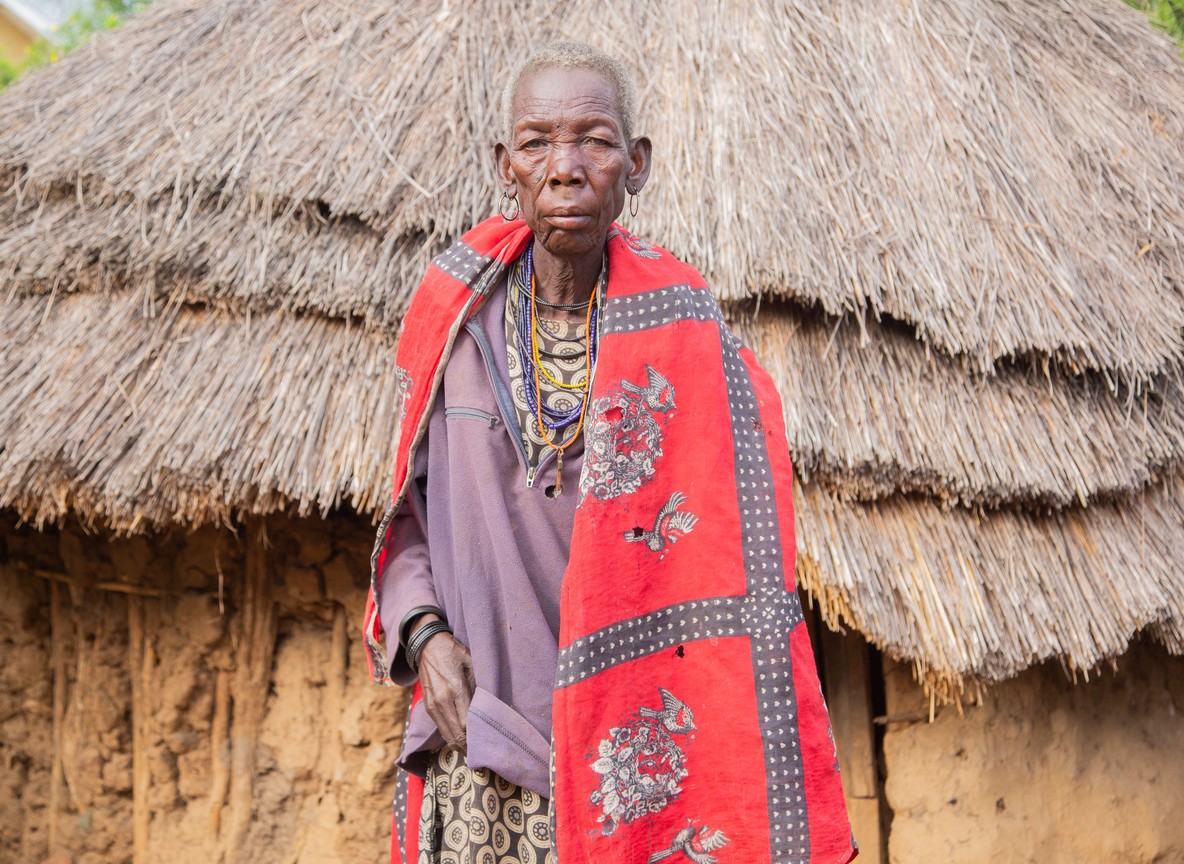
Ask your guide which specific family or clan owns the section of conservancy you are driving through that morning. Good guides in Naboisho and Ol Kinyei know this detail and often have a personal connection to the household. It turns an abstract revenue-sharing explanation into something concrete. To see the model in action, request a short visit to a conservancy office or a bursary-funded school. Many camps can arrange this with a day’s notice. Bring cash in small denominations if you want to support a community craft cooperative directly. These payments sit outside the formal lease and fee system entirely and go straight to the artisans.
What to Read Next
- New to the conservancy concept generally? Read our guide to why Kenya’s conservancies improve the safari experience.
- Weighing a conservancy stay against a national reserve lodge? See our community conservancy vs national reserve safari comparison.
- Planning near Amboseli instead of the Mara? Check our community conservancy stay vs park lodge near Amboseli guide.
FAQ
Do landowners get paid even if no tourists visit their exact plot? Yes. Land lease payments are fixed monthly amounts tied to the lease agreement, not to visitor traffic on a specific parcel.
Is the conservancy fee the same as the Masai Mara National Reserve entry fee? No. The reserve fee applies only inside the national reserve boundary. Conservancies set their own separate, usually lower, nightly fees.
How can I check that a conservancy’s fees actually reach the community? Ask the camp directly for the conservancy’s most recent community report. Or look for conservancies affiliated with the Northern Rangelands Trust, which publishes annual allocation summaries.
Why do some conservancies pay landowners directly while others manage funds communally? It depends on the conservancy’s founding structure. Newer or externally supported conservancies often use a lease-to-household model, while community-founded ones like Nashulai keep budgeting collective.
Does a higher nightly rate always mean more money reaches the community? Not automatically. What matters is the percentage structure of the specific conservancy, not the headline camp price. Ask the camp what share of the conservation fee goes to lease payments versus operations.
Understanding this system is one part of choosing where to stay. For help matching a conservancy-based itinerary to your dates and budget, visit Touring Insights’ Tour Packages page. There you can compare Mara conservancy routes side by side.
Further reading
More safari planning resources
- Kenya national parks map from SafariPure
- Kenya national parks map from Valley Safaris
- Maasai Mara National Reserve guide on Touring Insights
- Masai Mara destination guide on FindMySafari
Related guides: Why Kenya Safari Conservancies GPS-Collar Lions: The Science Behind the Tracking.